

HBOT for Long Haul Fatigue Recovery
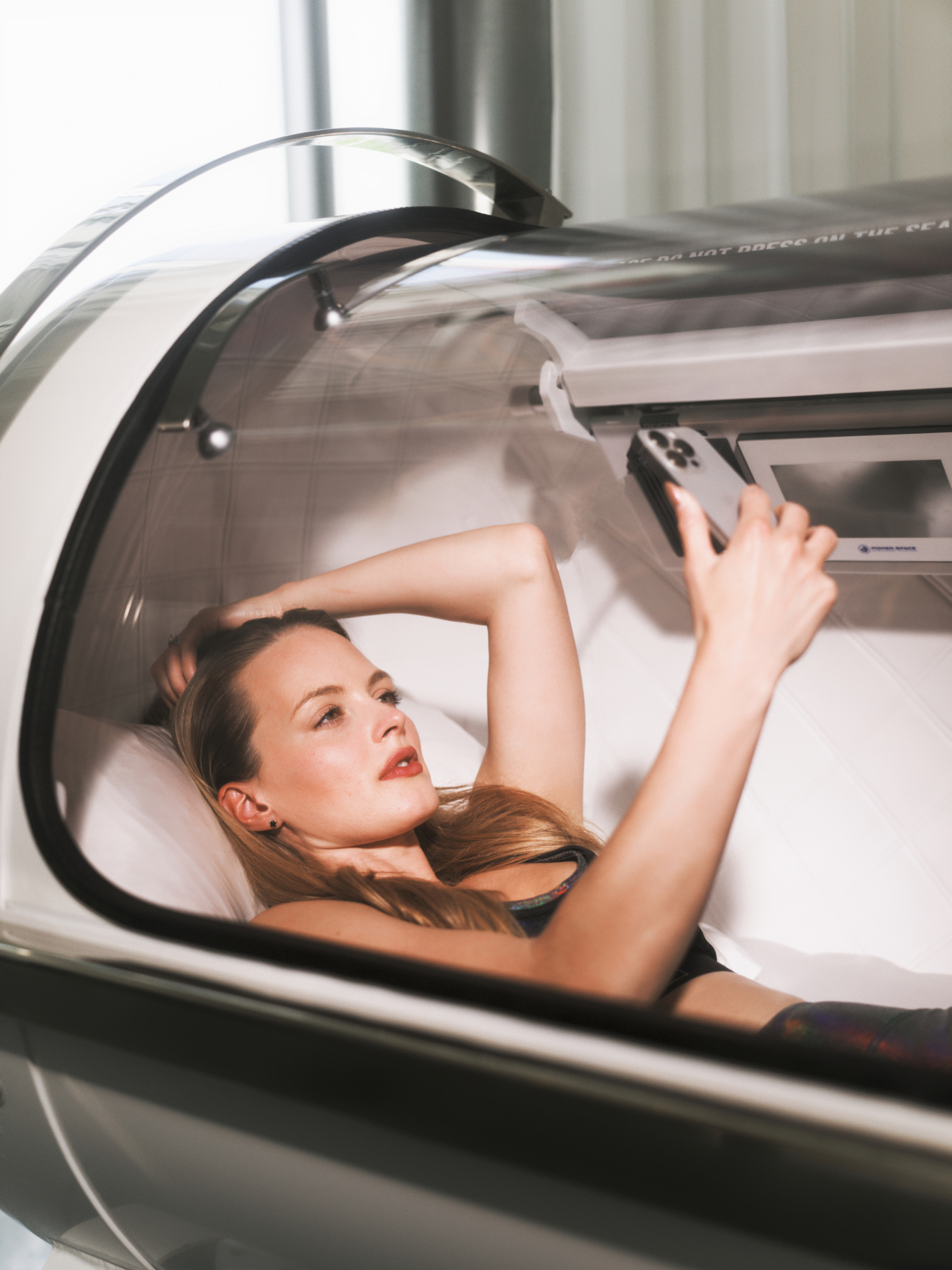
When fatigue lingers long after an illness, ordinary routines can feel unusually demanding. People searching for hbot for long haul fatigue recovery often want practical ways to support stamina, focus, and a return to daily activity. They also need honest limits. One session cannot solve every complex health problem.
Hyperbaric oxygen therapy, or HBOT, is being studied for persistent symptoms associated with long COVID. The evidence is still developing. This article explains what research can and cannot tell you. It also covers how a session may fit into a broader recovery plan and what to consider before booking. For the basics, read ETHR LAB’s cornerstone HBOT recovery, benefits, and cost guide first. Then use this article for the long-haul fatigue question.
Explore ETHR LAB services and book an HBOT session online.
What Is Long-Haul Fatigue?
Long-haul fatigue is a plain-language description of persistent exhaustion that continues after an infection or other health event. In many conversations, “long haul” refers to long COVID, also called post-COVID condition. The CDC describes long COVID symptoms as potentially including tiredness that interferes with daily life, post-exertional malaise, sleep changes, difficulty thinking, shortness of breath, and other symptoms.
Fatigue is not always just a lack of sleep. Some people notice that physical or mental effort triggers a delayed crash. Others feel that their energy never fully returns, even when routine lab work or a basic rest period does not explain the change. Persistent or worsening symptoms deserve medical attention, especially when they include chest pain, fainting, significant breathing trouble, new neurologic symptoms, or unexplained weight loss. HBOT is not a substitute for diagnosis, medical care, rehabilitation, nutrition, or appropriately paced activity.
A useful recovery conversation starts with the pattern. When did the fatigue begin? What activities trigger it? Are sleep, mood, hydration, medications, and nutrition contributing? A clinician can help evaluate those questions and determine whether a wellness service is appropriate for you.
How HBOT Supports Cellular Oxygen Delivery
During HBOT, a person breathes oxygen in a pressurized chamber. The increased pressure allows more oxygen to dissolve into the plasma, the liquid portion of blood. That is the basic physiological reason HBOT is used in specific medical settings. The NCBI review of hyperbaric complications also explains why pressure changes, ear equalization, oxygen exposure, and screening matter.
For long-haul fatigue, the proposed rationale is not that extra oxygen automatically equals more energy. Researchers are investigating whether HBOT may influence tissue oxygenation, inflammation, vascular function, and other processes that could be relevant to persistent symptoms. Those are mechanisms under study, not a guarantee of symptom relief. The experience and protocol also differ by person, so an appropriate plan should be based on screening and the provider’s scope of service.
Evidence to date is encouraging in some studies but not conclusive. An early small study published in PubMed Central reported improvements in fatigue and cognitive measures after a course of HBOT for people with long COVID. A later systematic review of HBOT for long COVID found promising signals across several outcomes while emphasizing that studies were small, used different protocols, and require better controlled research.
More recent evidence reinforces the need for balance. The randomized HOT-LoCO trial compared 10 HBOT sessions with sham treatment. It did not find a significant difference between groups on its primary physical-function outcomes at the study endpoint.
That result does not prove HBOT is useless for every person or every symptom. It does mean that confident promises about long-haul fatigue recovery are not justified. A responsible article, provider, and client should leave room for uncertainty.
What Can HBOT for Long Haul Fatigue Recovery Support?
People can experience a session differently. Some describe the time in the chamber as restful. Some feel more alert afterward. Others notice pressure in the ears during compression, temporary tiredness, or no immediate change.
A single response is not a clinical outcome. An early feeling of energy does not establish that the underlying cause of fatigue has changed.
Tracking your response can make the experience more useful. Before a session, note your sleep quality, baseline energy, activity level, and symptoms. Afterward, record how you feel that evening and the next day.
Pay attention to delayed post-exertional symptoms. Do not judge the session only by how you feel in the first hour. Share the record with your medical provider and the HBOT team, particularly if symptoms worsen.
Expect a thoughtful intake rather than a one-size-fits-all promise. A provider should review your health history and current medications. They should ask about ear or sinus problems, respiratory conditions, seizure history, pregnancy status when relevant, and other safety factors.
Ask who supervises the session and how communication works inside the chamber. Ask what happens if you cannot equalize pressure. Also ask which symptoms should prompt you to stop.
ETHR LAB’s guide to HBOT safety, risks, and side effects can help you prepare questions. If you are seeking treatment for a diagnosed condition, coordinate with your qualified medical team and confirm that the service you are considering matches your care plan.
How to evaluate your response over time
A simple log can keep expectations grounded. Choose two or three measures that matter to your daily life. You might track the time you can work before needing a break. You might track how often you can complete a short walk. Sleep quality and next-day crashes are also useful measures. Score them consistently instead of changing the questions after every session. This is not a diagnostic tool, but it can help you discuss patterns with a clinician.
Give the process enough context to interpret it fairly. A stressful week, poor sleep, travel, a new medication, or an increase in activity can affect fatigue independently of HBOT. If your energy improves, ask whether the improvement holds across several days and whether you can increase activity without a delayed setback. If you feel worse, pause and report it rather than pushing through to complete a planned series.
Also ask about the practical rhythm of care. How long is each appointment? How often would sessions be considered? What is the plan if your symptoms do not change? Clear answers help you make a measured decision and avoid treating a wellness appointment as an open-ended commitment.
Comparing Recovery Options for Long-Haul Fatigue
OptionPotential roleImportant questionHBOTPressurized oxygen exposure in a chamberIs screening complete, and are expectations realistic?Pacing and restManage activity around tolerance and delayed symptomsWhat level of activity avoids a delayed crash?Medical evaluationAssess possible causes and guide treatmentCould another condition or medication explain the fatigue?Nutrition and hydration supportAddress basic recovery needs with professional guidanceWhat changes fit current health needs and medications?
Combining HBOT With NAD+ and IV Therapy for Deep Recovery
Long-haul fatigue rarely has one universal cause. A recovery plan should not be built around a trendy stack. Sleep, pacing, movement within your tolerance, nutrition, hydration, stress support, and medical follow-up may all matter.
Some people also explore wellness services such as HBOT, NAD+ support, or IV therapy as separate parts of a broader plan. The right combination depends on your health history. Discuss it with an appropriate professional.
It is especially important not to treat combination therapy as a shortcut. There is no guarantee that using two services together will produce a better result than using one. A clear plan identifies the purpose of each service, avoids unnecessary duplication, and changes one variable at a time when possible so you can understand your response.
For readers exploring those options, ETHR LAB’s IV Therapy and vitamin injection services page provides current service information. Ask about eligibility, ingredients, expected duration, and how the service fits with medications or care from your own clinician. Avoid choosing a protocol based only on social media claims or a promise of rapid energy.
Review ETHR LAB’s HBOT service details and choose a recovery session that fits your goals.
Start With a Trial Session at ETHR LAB
If you are considering HBOT for long-haul fatigue recovery, start with a clear question rather than a fixed expectation. Are you hoping to understand the experience, support a return to activity, or explore a wellness option alongside established medical care? Your answer helps shape a more realistic conversation.
ETHR LAB is a regenerative, cutting-edge wellness and aesthetics center in Oakbrook Terrace, not a substitute for a hospital or personal physician. The team can explain the service, screening process, chamber experience, and available scheduling. Bring a current medication list and relevant health history. If your fatigue is severe, changing rapidly, or accompanied by red-flag symptoms, speak with a medical professional before scheduling a wellness session.
Before booking, review our cornerstone guide to HBOT recovery, benefits, and cost. It offers a practical overview of what to compare in a provider. The guide covers equipment, screening, session structure, and the difference between a wellness recovery experience and medical treatment. A good provider should welcome those questions.
Recovery is usually better approached as a process than a single dramatic intervention. Track your baseline and set a modest goal. Monitor delayed symptoms. Keep your medical team involved when symptoms persist.
HBOT may be one option worth discussing. The strongest plan is safe, transparent, and tailored to your actual response.
Explore wellness services at ETHR LAB and book online when you are ready.
Key Takeaways
- Long-haul fatigue can involve persistent exhaustion, post-exertional symptoms, sleep disruption, or cognitive complaints, and it deserves appropriate evaluation.
- HBOT increases oxygen exposure under pressure, but the proposed benefits for long COVID fatigue remain an active research question.
- Early studies are promising, while newer controlled evidence is mixed. No provider should promise a cure or guaranteed recovery.
- Screening, communication, pressure safety, and coordination with medical care matter more than a catchy recovery stack.
- Track your response over time and choose a plan that supports safe, realistic progress.
FAQs: Questions to Ask Before Booking HBOT
Can HBOT cure long-haul fatigue?
No. Current evidence does not support a promise of a cure or guaranteed recovery. Some early studies report improvements in selected symptoms. More recent controlled evidence remains mixed. Discuss persistent fatigue with a qualified medical professional. Treat HBOT as one option to evaluate, not a replacement for diagnosis or care.
How should I track my response to HBOT?
Choose a few consistent measures, such as sleep quality, time spent on ordinary tasks, activity tolerance, or delayed symptoms after exertion. Record them before and after sessions, including the following day. A simple log cannot diagnose the cause of fatigue. It can help you identify patterns and share clearer information with your care team.
What should I ask an HBOT provider?
Ask about screening, pressure settings, session timing, communication inside the chamber, ear equalization, contraindications, and supervision. Ask what happens if symptoms worsen or do not change. Also confirm whether the service is appropriate for your situation and how it fits with medical care you already receive.
HBOT Recovery Planning Checklist
- Discuss persistent or worsening fatigue with an appropriate medical professional.
- Write down your baseline symptoms, sleep, activity tolerance, and recovery goals.
- Ask the provider about screening, safety procedures, chamber experience, and realistic expectations.
- Change one major variable at a time when possible so you can interpret your response.
- Track delayed symptoms and pause to seek guidance if your condition worsens.
A written plan can also help you decide when not to continue. Agree on a simple review point before you begin. Decide which changes would count as useful. Decide which symptoms would require a pause. Note who you will contact with questions. This keeps the decision based on your own goals rather than pressure to complete a preset series.
It is also reasonable to ask for plain-language answers. You should understand what the service is designed to do, what it cannot do, and what safety steps are in place. If you do not feel comfortable with the answers, take more time or seek another opinion before booking. Clear information supports a better choice.



JOIN OUR COMMUNITY


